

The Season That Isn't: Rerouting Tourism When the Seasons Shift
The old tourism calendar is dying — not slowly, but in plain view, one heatwave at a time.
European destinations that counted on July–August as their cash months are watching bookings slide toward the cooler edges of the year. Alpine ski resorts that once had reliable snow from December to March are surviving on artificial snow and shorter windows. In Southeast Asia, the monsoon — long a predictable fixture that operators could plan around — is arriving later, dumping harder, and departing unpredictably. The "shoulder season" isn't a narrow bridge anymore; it's becoming the main event.
The data is unambiguous. The European Travel Commission reports that shoulder-season air traffic is now growing faster than summer traffic, with revenue passenger kilometres up 6.7% in October and 7.1% in November — both outpacing July and August. A full 73% of European travellers now plan holidays between October and March. Nearly a third of global travellers say they intend to visit the world's most popular destinations only during shoulder seasons, according to Skyscanner.
"The work is no longer to persuade people to travel in the low season," Ged Brown, CEO of Low Season Traveller, told delegates at the Tourism Seasonality Summit 2026 in Rimini. "It is to design for the travellers who already want to, and to measure the right things while doing so."
The supply side hasn't caught up. Airlines are cutting routes, and many of those cuts land on the shoulder months first. The gap between traveller intent and industry readiness is wide — and widening.
This article is for two audiences facing the same problem from different angles: DMOs who need to redesign destination-level season strategy, and small activity operators who need to keep revenue flowing when their traditional season shifts or shrinks.
How the seasonality map is redrawing
The heatwave-driven "coolcation" pivot
The most visible signal is the surge in travel to cooler destinations during what used to be "peak summer." Sixt, the European car rental company, projects a 35% surge in travel to Scandinavia in 2026, driven overwhelmingly by travellers swapping Mediterranean heat for Nordic mildness. SAS Airlines reports that bookings from southern Europe to Norway have surged dramatically — a pattern now visible across multiple operators.
The Data Appeal Mabrian Summer Dependence Rate — measuring how much of a destination's annual tourism activity falls between May and September — tells the story:
| Destination | Summer Dependence Rate | Trend |
|---|---|---|
| Spain | 52.8% | Lowest in Mediterranean — already diversifying |
| Portugal | 54.5% | Moderate — good shoulder base |
| Italy | 58.7% | Near Mediterranean average |
| Greece | 72.9% | Highly exposed to summer risk |
| Croatia | 79.1% | Most summer-dependent — highest risk |
| Mediterranean average | 59.1% |
Greece and Croatia are the most exposed. If Southern Europe continues to cook — and the June 2026 heatwave that killed over 1,300 people suggests it will — the summer dependence model becomes a liability, not a strength.
The response is already visible. Destinations that once competed for summer volume are now marketing spring, autumn, and even winter with a sophistication that would have been unthinkable five years ago. The Tourism Seasonality Summit has grown from a single-day event for a few dozen people in Bahrain (2024) to a global programme co-located with Routes Europe in 2026. Its central reframe: "From managing seasonality to designing demand."
The shifting monsoon in Southeast Asia
The story is different but no less consequential in Southeast Asia. Cambodia, Thailand, Vietnam, and Laos have long operated on a binary calendar: dry season (Nov–April) = high season for beach, temple, and adventure tourism; wet season (May–Oct) = low season for the brave, the budget-conscious, and the almost-nonexistent.
Climate projections for Cambodia specifically predict a longer dry season and a more intense rainy season, with higher flood risk and more compressed windows for outdoor activity. A 2023 climate adaptation needs assessment for Cambodia's tourism sector identified product diversification as the top priority — but most small operators lack the capital, knowledge, or support to execute it.
The operators surviving the shift are those who treat the wet season not as a dead period to endure but as a distinct product line to design for.
What's driving the shift
Three forces are compounding, not cancelling each other:
-
Extreme heat is becoming a booking deterrent. The June 2026 European heatwave made global headlines. Travellers planning 2027 summer trips are factoring in the risk. "Coolcation" is no longer a buzzword — it's a booking filter.
-
Remote work has flattened the calendar. Digital nomads and hybrid workers don't have to travel in August. They can go in October, stay longer, spend more per day, and stress infrastructure less. The "value per visitor" curve, as the E Y Tourism Advisory study shows, peaks in shoulder months — not in July.
-
Travellers are actively avoiding crowds. Overtourism fatigue is real. Shoulder and low-season travel offers something peak season can't: space, authenticity, and the sense of discovery that mass tourism destroys.
For DMOs: From seasonality management to demand design
The trap of "extending the season"
Most DMOs approach seasonality wrong. They treat it as a marketing problem: "How do we get people to come in May instead of July?" The answer is usually discounting, events, or generic "shoulder season" campaigns that dump cheap inventory into a market that isn't looking for it.
The smarter approach — the one that emerged from the Seasonality Summit — treats seasonality as a design problem. The question shifts from "how do we fill the gap?" to "what kind of traveller fits this period best, and what do we need to build for them?"
This means:
-
Segmentation first, promotion second. The low-season traveller is a distinct customer: higher yield, more loyal, more interested in culture and nature than nightlife and sunbeds. Marketing to them with peak-season messaging (discounts, sun, sand) is wasted spend.
-
Event-led demand creation. The Data Appeal study found that 53–72% of events already occur outside peak months, attracting 58–73% of total event attendance in the low season. DMOs that align their event calendar with natural climate windows — spring festivals, autumn food weeks, winter wellness retreats — can pull more demand into shoulder periods without discounting.
-
Climate perception as a competitive advantage. The Perception of Climate Index (PCI) reveals that destinations have "windows of climate opportunity" — periods when actual weather conditions exceed traveller expectations. For Italy, Spain, and Greece, there are two such windows: late winter/early spring and autumn. DMOs that understand and communicate these windows — rather than pretending every month is perfect — build trust and capture demand.
A practical DMO playbook
| Action | Why | How |
|---|---|---|
| Map your climate opportunity windows | Know when actual weather beats expectations | Use PCI or local climate data; stop marketing June as "perfect" |
| Shift from volume to value metrics | Revenue per visitor matters more than arrival counts | Track yield, length of stay, satisfaction by month |
| Curate a counter-seasonal event portfolio | Events are the most reliable low-season demand driver | Audit existing events; actively program for Oct–April gaps |
| Work with airlines on shoulder routes | Aviation cuts hit shoulder months hardest | Share seasonality data with route planners; build joint business cases |
| Tell the truth about the changing climate | Travellers can read a thermometer — pretend otherwise and lose credibility | Content series on "the new seasons"; honest heat advisories with seasonal alternatives |
| Become an adaptation aggregator for operators | Small operators can't solve seasonality alone | Collective marketing pool, shared training, pooled insurance for weather risk |
Why "discounting" is the wrong answer
The instinct when arrivals drop is to cut prices. This is a mistake for two reasons.
First, the value-per-visitor curve is inverse to the volume curve. The travellers who come in October spend more per day, stay longer, and have higher satisfaction than August arrivals. Discounting attracts the lowest-value segment while cannibalising the high-value one.
Second, discounting trains the market to wait for deals. Destinations that run deep off-season discounts find their shoulder-season travellers shifting later, expecting bargains. The pattern feeds itself.
The better strategy: price on value, not on season. Create genuine shoulder-season products that justify premium pricing — guided small-group cultural tours, harvest festivals, expert-led nature weeks — rather than discounting the same beach holiday at a lower price.
For small operators: Surviving the seasonality squeeze
The DMO-level strategy is necessary. But for a tour guide, kayak operator, or ecologe owner, the question is more immediate: How do I pay my staff in the months nobody books?
Small operators feel the seasonality squeeze hardest because they have the least buffer. When a 4-month dry season becomes a 3-month one, or when the rains start a month early and wash out the trekking window, there is no marketing budget to fix it. There is only the question of what you do with your boat, your guides, and your empty rooms for the other eight months.
The multi-stream revenue model
The operators who survive are not the ones who market harder in their existing season. They're the ones who build a second business that runs in the opposite season.
Concrete examples from Southeast Asian operators:
| Primary Product (Dry Season) | Counter-Seasonal Product (Wet Season) | Why It Works |
|---|---|---|
| Mountain biking / trekking | Culinary tours, cooking classes | Indoor-outdoor hybrid; uses same guide team, different skill |
| Island hopping / snorkelling | Homestay + craft workshops | Water-based assets idled, community assets activated |
| Kayaking on rivers | Photography & birding tours under canopy | Wet season = lush green = better photography conditions |
| Temple tours (Angkor, etc.) | Urban heritage walks + covered market tours | Rain-friendly; differentiates the destination for repeat visitors |
| Wildlife tracking (dry season concentration) | Citizen science data collection during rains | Operator becomes research partner — adds credibility and funding pathways |
The throughline: don't try to sell the same product in bad weather. Build a different product that the weather actually enhances.
The Cambodian context
For operators in Cambodia specifically, the adaptation needs assessment flags longer dry seasons and more intense rainy seasons as the primary climate impact. This means:
- The high season window (Nov–April) may actually lengthen slightly — good news for operators who can capture it.
- The wet season (May–Oct) will be harder to work with — heavier downpours, higher flood risk, shorter windows for safe outdoor activity.
- Lowland operators (Tonle Sap, Mekong floodplain) face the biggest wet-season risk from flooding.
- Upland operators (Mondulkiri, Ratanakiri) have more flexibility — rain doesn't shut down jungle trails as completely as it shuts down river activities.
For a Kampot kayak operator, the wet season pivot might mean: suspend kayaking June–September, run a Kampot pepper farm tour (covered harvests are spectacular in the rain), and train guides to lead indoor food workshops. The same team, the same vehicles, a complementary product that makes the wet season an attraction rather than a liability.
Cross-training is the hidden lever
The single most underrated adaptation for small operators: cross-train your staff.
When your dry-season trekking guides can also lead culinary walks, when your boat captain can manage a homestay, when your front-desk person can run a photography workshop, you can flex your team across products without hiring or firing. Cross-training turns fixed labour costs into variable capacity — the difference between breaking even in the low season and bleeding cash.
The DMO as aggregator: what small operators should demand
Small operators cannot solve seasonality alone. They need their DMO (or provincial tourism department, or industry association) to play an aggregator role:
- Pooled marketing for counter-seasonal products — "Cambodia's Green Season" campaigns that bundle multiple operators' wet-season offerings under one umbrella brand
- Shared climate data — Near-term rainfall forecasts, river-level monitoring, and heat-index data that help operators plan day-to-day scheduling
- Collective procurement — Solar-powered water pumps, backup generators, rain shelters — things too expensive for one operator but viable as a co-op purchase
- Staff-sharing networks — When Operator A is quiet in wet season and Operator B is busy, share staff rather than lay them off
If your DMO isn't doing this, ask why. Seasonality isn't an operator problem; it's a destination problem.
Designing demand is the new job
The Tourism Seasonality Summit's final report closed with a six-word claim: "The low and shoulder seasons are where better-value, better-fit tourism now lives."
This is not a prediction. It is a description of the present. The demand has moved. The question is whether the supply side — DMOs writing tourism plans, airlines scheduling routes, small operators choosing products — will catch up.
The destinations and operators that treat seasonality as a design opportunity rather than a scheduling inconvenience will not only survive the climate-shifted calendar. They will capture the most valuable traveller segment of the next decade: the one that travels by choice, not by habit; that values experience over volume; and that is already booking outside the season that used to be.
Main sources: Tourism Seasonality Summit 2026 (Rimini), State of Tourism Seasonality report (Low Season Traveller / Routes), Data Appeal Mabrian Summer Dependence Rate study, European Travel Commission sentiment data, Sixt travel forecast (2026), SAS Airlines booking data, "Adapting the Cambodian Tourism Sector to Climate Change" (weADAPT / Simon Hess, 2023).
- Details
- Hits: 125
STATE OF THE WORLD 2026
Travel, Tourism & Political Economy
Tourism Strategy 2026: Navigating the Future of Global Travel
The global tourism industry enters 2026 in a period of profound transformation. While international travel has largely recovered from the disruptions of the pandemic era, destinations now face a more complex operating environment shaped by geopolitical uncertainty, economic volatility, climate pressures, artificial intelligence, and rapidly changing traveler expectations.
The destinations that succeed in 2026 will not necessarily be those with the largest marketing budgets. They will be those that think strategically, act digitally, build trust consistently, and adapt quickly to changing market conditions.
REPUTATION IS THE NEW COMPETITIVE ADVANTAGE
In an era of fragmented media and algorithm-driven information flows, perception often becomes reality. Travelers increasingly make decisions based on social media narratives, influencer content, peer reviews, and AI-generated recommendations before they ever visit an official tourism website.
As misinformation and negative news cycles spread faster than traditional communications, destinations must invest in reputation management, crisis preparedness, and authentic storytelling. Destination resilience is no longer simply about infrastructure—it is about maintaining credibility and trust.
THE RISE OF THE VALUE TRAVELER
For years, many destinations focused on attracting high-spending visitors while overlooking emerging market segments. Yet long-stay travelers, digital nomads, remote workers, and budget-conscious explorers are proving increasingly valuable.
These visitors often stay longer, disperse spending more broadly through local economies, support small businesses, and become powerful advocates through user-generated content and social sharing.
The future tourism economy will reward destinations that understand visitor lifetime value rather than focusing solely on daily expenditure.
VISA POLICY AS ECONOMIC POLICY
Few tourism interventions generate faster results than improving access.
Countries that streamline visa procedures, expand e-visa systems, reduce processing times, and offer longer stays gain a measurable competitive advantage. Travelers increasingly expect seamless digital entry processes, and cumbersome visa systems can quickly push potential visitors toward competing destinations.
In the next decade, visa accessibility will become one of the most important indicators of tourism competitiveness.
THE AI DISCOVERY REVOLUTION
Artificial intelligence is fundamentally reshaping how travelers research, compare, and select destinations.
Traditional search engines are increasingly being supplemented by AI-powered platforms capable of generating personalized recommendations, itineraries, and travel advice. This shift requires destinations to rethink their digital strategies.
Success will depend not only on marketing campaigns but also on ensuring attractions, experiences, local businesses, and tourism assets are digitally structured, machine-readable, multilingual, and discoverable by AI systems.
The battle for visibility is becoming a battle for data quality.
LATIN AMERICA'S MOMENT
Latin America enters 2026 with strong momentum.
Countries such as Colombia, Peru, Costa Rica, and several emerging destinations across Central and South America continue to benefit from growing demand for authentic experiences, biodiversity, gastronomy, and cultural immersion.
As travelers increasingly seek meaningful journeys rather than traditional sightseeing, the region's combination of value, authenticity, and natural assets positions it favorably for continued growth.
Despite infrastructure challenges and economic volatility, Latin America remains one of the world's most promising tourism regions.
THE NEW TOURISM EQUATION
The tourism economy of 2026 rewards destinations that are:
• Resilient rather than reactive
• Authentic rather than promotional
• Sustainable rather than extractive
• Data-driven rather than assumption-led
• Community-centered rather than visitor-centered alone
Domestic tourism remains an essential stabilizer during periods of global uncertainty, while sustainability has evolved from a niche positioning tool into a baseline expectation.
THE DECADE AHEAD
The future belongs to destinations that successfully connect technology with humanity.
Travelers increasingly expect AI-powered convenience, personalized recommendations, seamless booking systems, and real-time information. At the same time, they seek authenticity, local culture, meaningful interactions, and memorable experiences.
The destinations that balance these demands—combining innovation with identity—will define the next era of global tourism.
In 2026, resilience equals relevance.
Those destinations that invest in reputation, accessibility, digital visibility, sustainability, and community engagement will not simply recover from disruption; they will help shape the future of global travel itself.
- Details
- Hits: 518668

The Machine That Cannot Stop:
A Systems Analysis of US Sanctions
- Details
- Hits: 138
Read more: Doom Loop - The U.S. Sanctions Machine that Cannot Stop
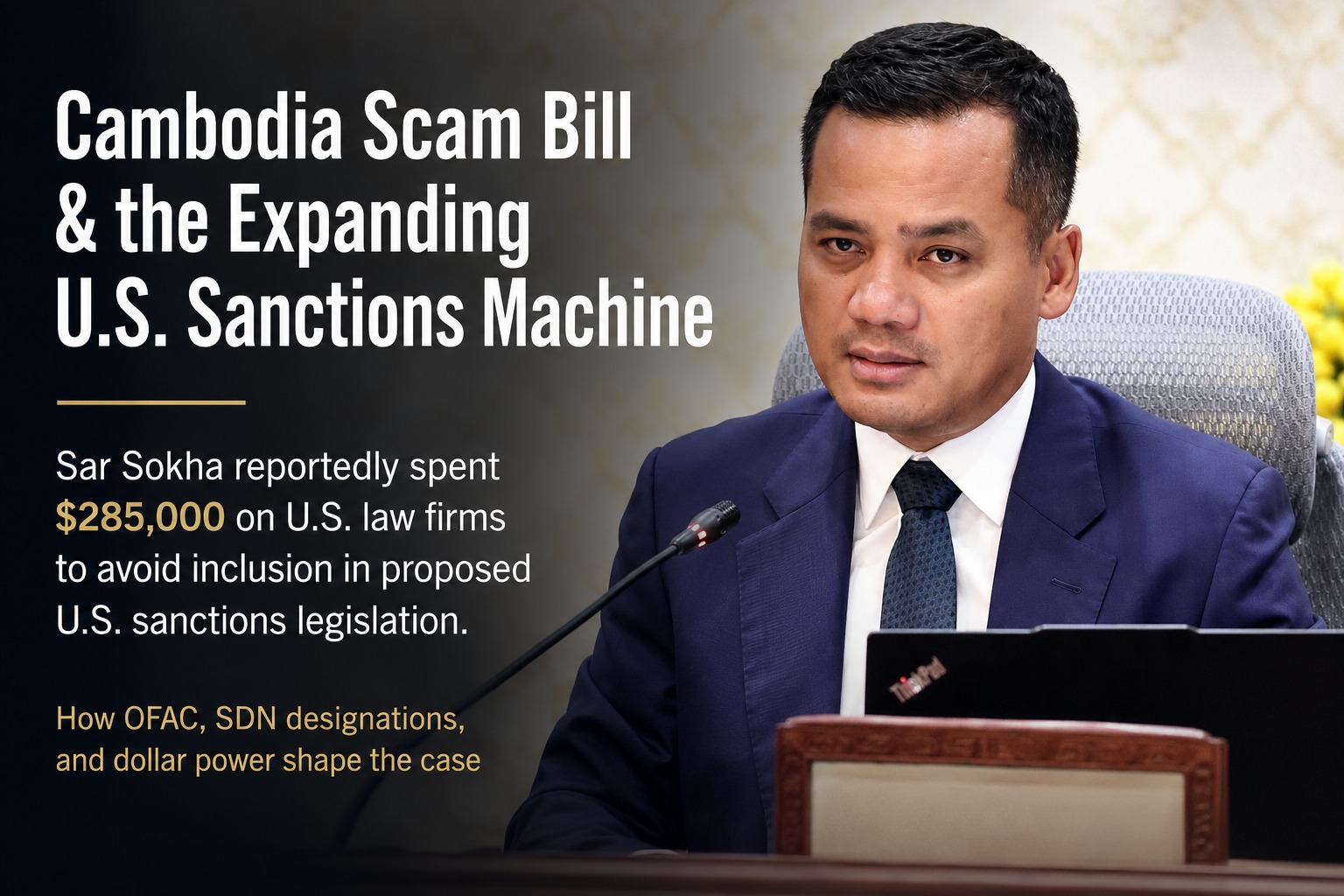
The Cambodia Scam Bill and the Expanding U.S. Sanctions Machine
- Details
- Hits: 135
Read more: The Cambodia Scam Bill and the Expanding U.S. Sanctions Machine
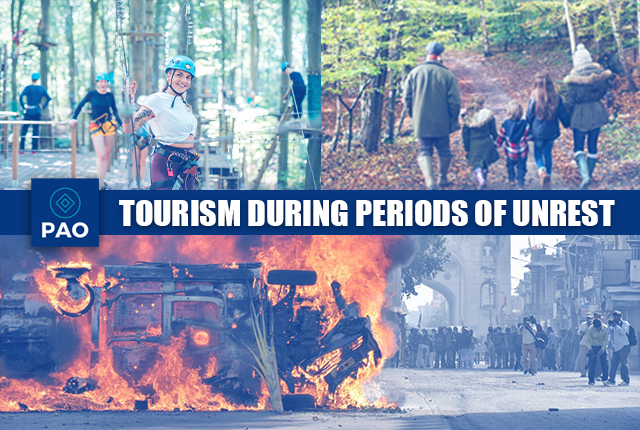
Marketing Tourism During Periods of Unrest: Strategies for Success
In a world where social and political landscapes can shift rapidly, tourism destinations must be prepared to navigate the challenges posed by periods of unrest, both within their borders and in neighboring regions. Effective marketing during these times requires a delicate balance of transparency, reassurance, and strategic communication. Here, we explore how destinations like Cambodia, Kenya, New Zealand, and Vietnam have approached these challenges and what other locations can learn from their experiences.
- Details
- Hits: 1697
Cambodia's Demographic Dividend: Opportunity Slipping Through Our Fingers
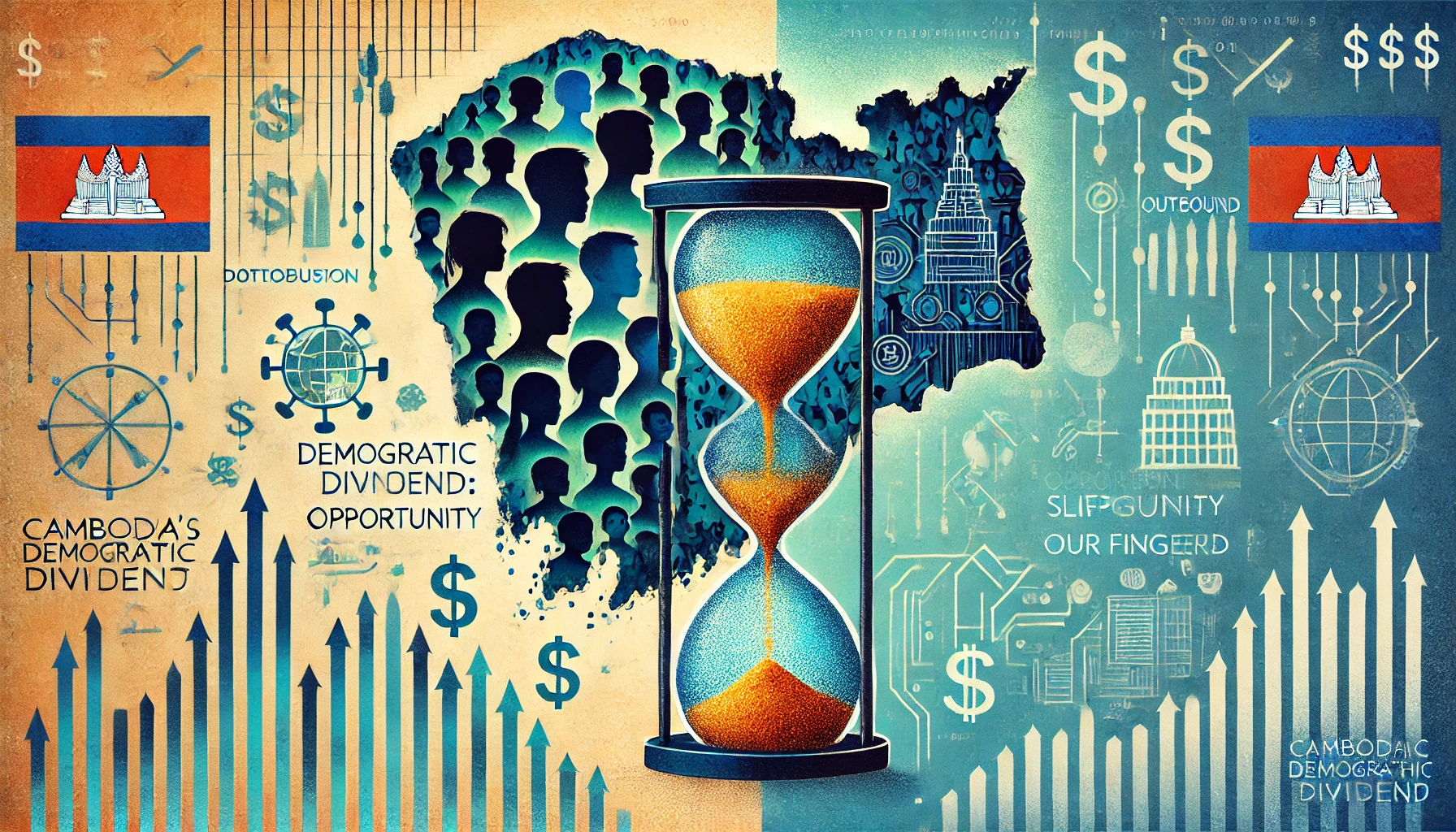
The "demographic dividend" has become a buzzword in development circles discussing Cambodia's economic future. This concept—that a growing working-age population relative to dependents can accelerate economic growth—sounds promising on paper. However, after years of working across Southeast Asia, I've observed that this potential dividend is rapidly slipping through Cambodia's fingers due to structural economic barriers that policymakers seem reluctant to address.
- Details
- Hits: 1712
Read more: Cambodia's Demographic Dividend Slipping Through Our Fingers
Data-driven, People-centric
Consulting services, online and offline. Experience in frontier markets with little or no support from DMO/NTA.
- Details
- Hits: 58744
Part I: Destination Management 2025 - Destination Fees & Taxes
- Details
- Hits: 1990
Read more: Tourism Taxes in Focus: Lessons from Winners and Losers in Destination Pricing

AI Is Rewriting the Tourism Map — Will Your Destination Be on It?
AI is no longer a future concern. It's the new decision-maker in travel planning. From generating itineraries in seconds to answering voice commands like “Plan my trip to Vietnam,” AI is now shaping what travelers see, book, and experience.
- Details
- Hits: 1628
Read more: AI Is Rewriting the Tourism Map - Will Your Destination Be On It

Transform Tourism with a Cutting-Edge AI Solution for DMO Destination Development and Management
Whether you're a national tourism authority, regional DMO, or a small operator striving for growth, this powerful AI tool is your go-to resource. Designed specifically for the tourism industry, it offers a versatile range of capabilities tailored to support destinations of all scales—from global hotspots to emerging markets. Here's how it empowers tourism professionals to build vibrant, sustainable, and competitive destinations:
- Details
- Hits: 1472

Destination Sentiment Analysis GPT
In the competitive world of travel marketing, understanding traveler sentiment has traditionally been a luxury afforded only to large corporations with substantial research budgets. But a revolutionary new tool is changing this landscape entirely, democratizing access to powerful market intelligence and creating unprecedented opportunities for businesses of all sizes.
https://chatgpt.com/g/g-2yB74WFsh-destination-sentiment-analyzer
- Details
- Hits: 1704
Read more: Destination Sentiment Analysis GPT - Transforming Market Intelligence in Travel
Cambodia's Capital Gains Tax: Why Now Isn't the Right Time
Cambodia is preparing to introduce a 20% Capital Gains Tax (CGT) starting September 1, 2025, covering profits from shares, leases, goodwill, intellectual property, and foreign exchange. Real estate transactions will follow suit on January 1, 2026, according to Prakas 496.
While policymakers claim this move will "align Cambodia with international norms," the timing and design of this tax raise serious concerns for businesses, investors, and ordinary Cambodians. Here's why this policy may do more harm than good.
- Details
- Hits: 895
Read more: Cambodia's Capital Gains Tax -Why Now Isn't the Right Time
Understanding Generative Search and Its Impact on Tourism
Generative search is an advanced form of search technology that uses artificial intelligence (AI) to understand and generate human-like text based on user queries. Unlike traditional search engines that rely on keyword matching, generative search comprehends the context and nuances of user input to provide more relevant and detailed responses. This technology leverages machine learning models trained on vast amounts of data to produce coherent and contextually accurate information, transforming how users interact with search engines and discover content.
- Details
- Hits: 1670
The Airbnb of 2040: Emergent Systems, Economic Rethinks, and the Next Travel Revolution
Most current accommodation models are reductionist—simplifying tourism into transactions (hotel = room + fee). But real-world tourism is a complex adaptive system. To understand what comes next, we need to apply emergent complexity theory, which sees value as arising from relationships, feedback loops, and bottom-up innovation.
- Details
- Hits: 1817
Read more: The Airbnb of 2040: Emergent Systems, Economic Rethinks, and the Next Travel Revolution
Social Media and Your Brand
Easy Steps to Building an Online Visual Presence that Resonates with potential clients.
- Details
- Hits: 5095
Read more: How to Communicate a “Branded” Image on Social Media

Cambodia's Digital Transformation: A Bold Vision for an AI-Powered Future
In the rapidly evolving landscape of global technology, Cambodia stands at a critical crossroads. The kingdom has an unprecedented opportunity to leap into the digital future by establishing a world-class AI data center—a strategic investment that could revolutionize its economic trajectory and position Cambodia as a serious contender in the global technology ecosystem.
- Details
- Hits: 1614
Read more: Cambodia's Digital Transformation: A Bold Vision for an AI-Powered Future
What can a specialized DMO GPT do for a National Tourism Authority or Destination Management Organization - Marketing?
Note: The Custom GPTs are designed to be built >> or customized << for a specific destination depending on the challenges and local situation.
As a specialized GPT for National Tourism Authorities and Destination Management Organizations, I can assist in several key areas to enhance tourism management and development:
- Details
- Hits: 2958
ChatGPT and Generative AI Part II: Prompt Engineering
The Secret Sauce for SEO-Friendly Web & Social Media Content
Welcome back to Part II of our series on leveraging AI for SEO-friendly content. In this post we're diving deep into the art and science of prompt engineering. This is a game-changer for small operators, especially those in a country or locale without the backing of a competent Destination Marketing Organization (DMO). The small operator creates and manages the narrative. So, let's get started!
- Details
- Hits: 4231
Read more: Prompt Engineering for Tourism - Leverage for Small and Independent Operators
OVERVIEW: GPTs for Travel and Tourism Content
TourCraft & Travel Product AI

Introducing the Travel Content and Destination Marketing GPT: Revolutionizing Travel Industry Content Creation
In the ever-evolving landscape of travel and tourism, staying ahead of the curve is not just an advantage, it's a necessity. This is where the Travel Content and Destination Marketing GPT steps in, a groundbreaking tool designed to transform the way travel companies approach content creation. It is no longer necessary to do everything manually.
- Details
- Hits: 3094

How War and Conflict Change Perceptions: A Guide for Policy and Destination Planners
- Details
- Hits: 1818
Read more: War and Conflict Perceptions Management: A Guide for Policy and Destination Planners

Embracing Sustainability in Tourism: A Path to Eco-Friendly Growth and Conservation
- Details
- Hits: 2311
Read more: DMOs and NTAs: Sustainability and Path to Eco-friendly Growth and Conservation
TourCraft GPT AI
Specialized in creating bespoke content exclusively designed for tour operators and small-scale activity providers, TourCraft AI harnesses a dynamic and meticulously curated knowledge base.
- Details
- Hits: 2596

How is Generative Search Expected to Impact Traditional SEO
And how will Generative Search Influence DMCs?
- Details
- Hits: 1828
Read more: How is Generative Search Expected to Impact Traditional SEO
Destination Management Companies (DMCs) in developing countries face unique challenges in light of macroeconomic events like rising inflation, escalating energy prices, and inconsistent service from local and long-haul airlines. Crafting suitable strategies to counter these adverse situations is crucial for a DMC's survival and growth.
- Details
- Hits: 3762

Empowering Small Operators in Destinations Without DMO Support Through AI
The One-Person Revolution: How One Individual with AI Knowledge Can Make a Difference
You don't need a team of data scientists to leverage the power of AI. Numerous cloud-based solutions are both affordable and user-friendly, requiring minimal technical expertise. A single individual with a basic understanding of AI can implement these tools and transform the way a small tourism operation functions.
- Details
- Hits: 7130
Read more: Empowering Small Operators in Destinations Without DMO Support Through AI

If a destination wants to attract digital nomads, what should it consider and what can it do policy-wise to attract them?
- Details
- Hits: 2268
Read more: Tourist Visa Validity - Digital Nomads - Accommodating Long Stay Visitors

Revolutionizing Travel Content Creation with AI: A Digital Marketing Breakthrough
In the dynamic landscape of the travel and tourism industry, the ability to captivate and engage audiences with compelling content is paramount. Enter the world of Artificial Intelligence (AI), a technological marvel that is reshaping the way travel-related content is produced and distributed. This article explores the innovative use of AI in creating content for the travel and tourism sectors, emphasizing the versatility of AI-generated content that can seamlessly fuel both websites and social media platforms.
- Details
- Hits: 36789

Tailoring High-End Travel Experiences
Luxury travel is no longer about opulence alone; it's about personal touches, exclusive experiences, and engaging stories. Southeast Asia, with its rich cultural heritage and breathtaking landscapes, provides the perfect backdrop for crafting high-end, luxurious experiences. Here's how small operators can tap into the thriving luxury market:
- Details
- Hits: 2207
Read more: Crafting Luxury Travel in Southeast Asia: A Guide for Small Operators
MICE: DMO Success Stories Aided by AI
A competent and active Destination Marketing Organization (DMO) or National Tourism Authority (NTA) can significantly assist in the development of the MICE (Meetings, Incentives, Conventions, and Exhibitions) market through various strategic initiatives:
- Details
- Hits: 1960
Read more: How an Active DMO can Encourage and Capture MICE Growth

Social Media Analytics for Small Business - Some Ideas as to how one starts
Social media analytics offer a wealth of insights that can be harnessed in various ways.
- Details
- Hits: 2165
Read more: From Insights to Action: Harnessing Social Media Analytics for Business Growth
ChatGPT and Generative AI for Tourism Part I
Imagine an invisible assistant that can compose creative, accurate, and captivating content for your travel business within minutes.
- Details
- Hits: 2372

Tourism Consulting: Bridging the Online and Offline Worlds
In a world where the contours of tourism are continuously evolving, the integration of technology, sustainability, and community engagement is no longer optional but essential. Both B2B (Business to Business) and B2C (Business to Consumer) models are adapting to trends like slow travel, luxury tourism, remote working accommodations, and the growing rift between destination management companies and smaller operators. Here's a comprehensive exploration.
- Details
- Hits: 2173
Read more: Navigating the New Age of Tourism: A Comprehensive Guide

How to Use Buyer Personas in Social Media Marketing
- Details
- Hits: 2314
Read more: Personas for Social Media Targeting - Kep and Kampot - Cambodia

1- How to use Facebook and Instagram to attract clients that will book tours directly with the supplier.
- Details
- Hits: 2484
Read more: How to Sell Tours and Attractions Directly to End-Users Using Social Media

Embrace the Data-Driven Approach: SEO and Tourism-centric Social Media Strategies for Small Businesses
Analytics / Research / Target Markets -- Data-driven for the Small Operator
- Details
- Hits: 3583
Read more: Data-driven Approaches for Small Operators in Tourism and Experiential Tours
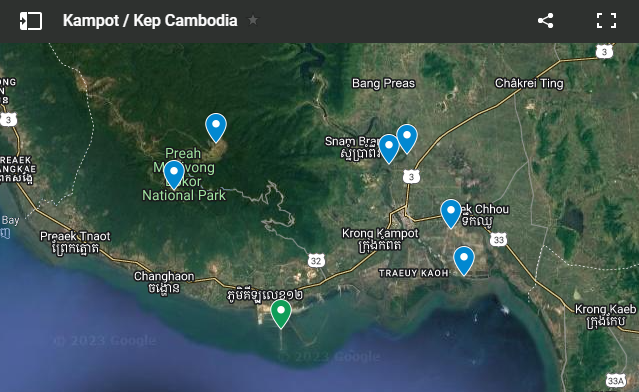
Introduction
Kep and Kampot, Cambodia's hidden gems, present a plethora of opportunities for sustainable tourism. With lush jungles, breathtaking landscapes, and vibrant communities, these regions are increasingly attracting socially conscious travelers. This article explores how small operators can harness social media and unique offerings to reach the younger Instagram crowd and multimedia enthusiasts.
- Details
- Hits: 2508
Read more: How to Market Sustainable Tourism in Kep and Kampot, Cambodia
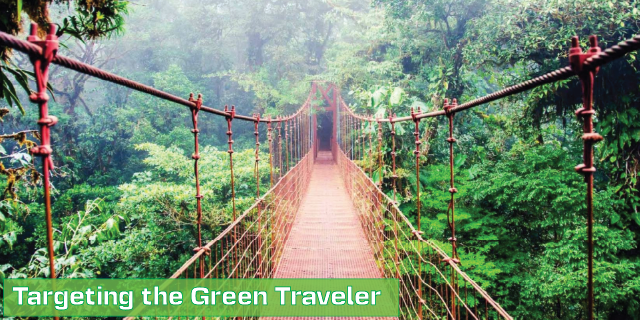
Practices on Social Media that will attract the "Green Traveler"
Step-by-step instructions to increase visibility an gain market and mindshare.
- Details
- Hits: 2650

DATA ANALYSIS and PERSONA MODELING
Not sure of target market? Time to develop persona modeling skills. For SM, see number 4 below.
- Details
- Hits: 2308
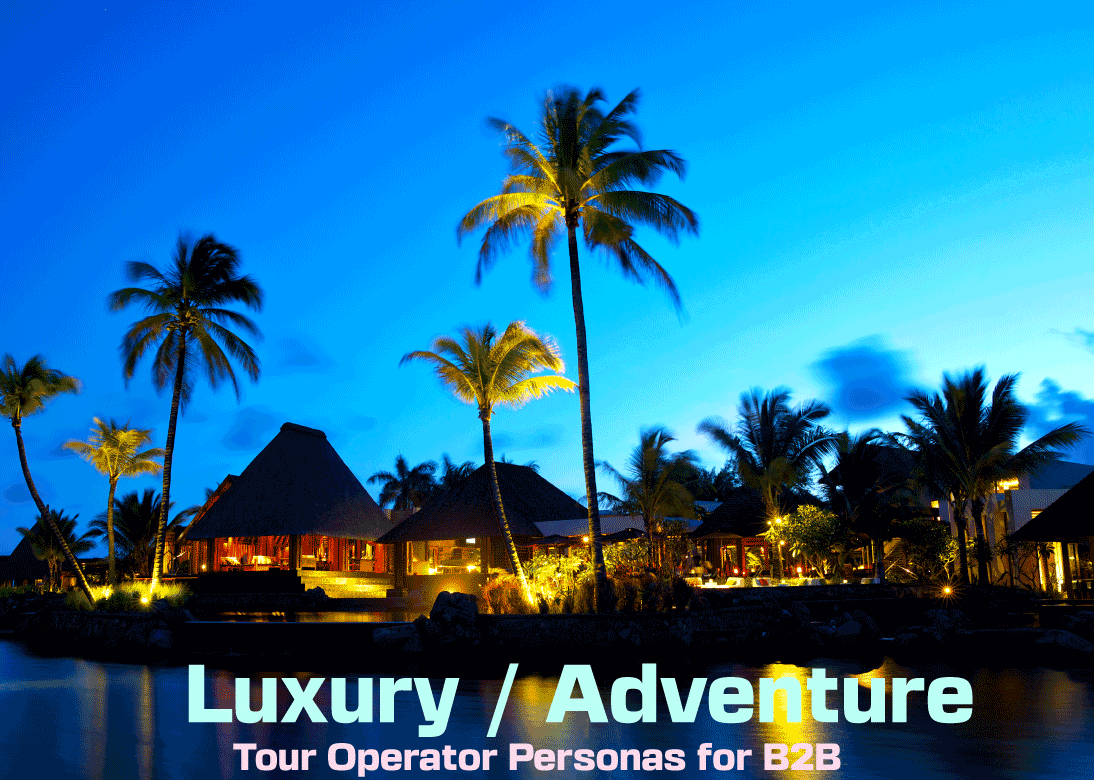
In the ever-evolving landscape of travel and tourism, understanding your B2B clients is paramount. Enter persona modeling—a technique that allows Destination Management Companies (DMCs) to craft specialized strategies for various tour operators. Here's how this approach is transforming the way we engage with the B2B market in the travel industry.
- Details
- Hits: 2212

B2C Persona Modeling: A Savvy Guide to Attracting End Consumers in Travel and Tourism
In the diverse world of travel and tourism, understanding your audience is key to crafting resonating experiences complete with vivid descriptions and engaging images. B2C persona modeling has proven to be a game-changer, especially for smaller operators looking to create content that sells via direct bookings. Let's dive into how this powerful tool can be applied.
- Details
- Hits: 2201
Read more: B2C Persona Modeling: A Savvy Guide to Attracting End Consumers in Travel and Tourism
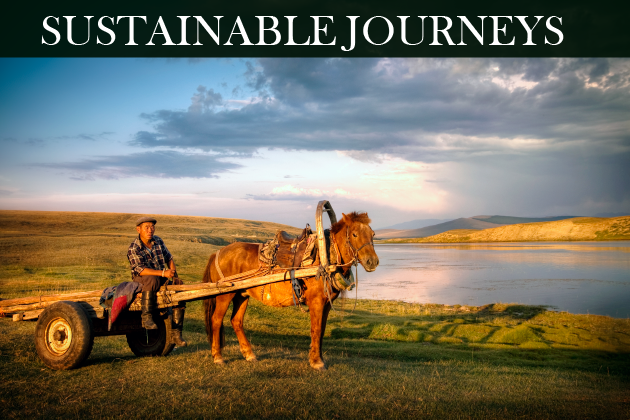
Rural tourism, urban getaways, sustainable ventures; the landscape of travel has never been more enticing, especially when sprinkled with cultural heritage and local flair. Ah, the taste of grandma's secret recipe at a far-flung village, or the fragrance of fresh earth during an agritourism excursion! It's all about embracing uniqueness and sustainability, especially for the millennial wanderers whose Instagram feeds are filled with the call of adventure.
- Details
- Hits: 2213
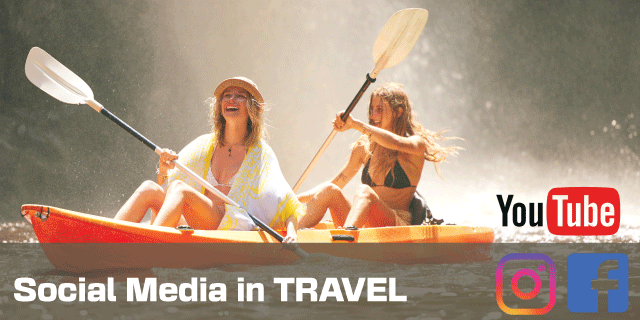
Importance of Social Media in Travel Marketing
Understanding the reach and influence of images and narratives. Providing small operators with competitive advantages when 'going direct' to consumers.
- Details
- Hits: 2402