Destination Intelligence Small DMOs: You Have More Control Than You Think If you run tourism for a small destination—a town, a province, an island or a valley—you have probably been told the same story for twenty years: marketing is expensive ...
Cambodia Who Answers When a Traveler Asks AI About Kampot? We Checked. Type "best restaurants in Kampot" into an AI search and you get a confident, conversational answer within seconds. Someone is being recommended. Someone is being skipped. For a destination business, the question is no longer "do we rank on Google?" — it is "does the AI mention us at all?"
Cambodia What Angkor's Quiet Means — and Why Cambodia Is Now in a Doom Loop The most quoted image of Cambodia’s tourism crisis is the South China Morning Post’s: Angkor Wat, eerily quiet. Sunrise at the reflection pool with room to spare. Ta Prohm’s root-strangled corridors without the crush.
Cambodia The Planes Are Still Flying. The Passengers Stopped Booking Cambodia’s international arrivals are down 46% in the first seven months of 2026, falling to approximately 1.99 million visitors. China, at roughly 520,000 arrivals, is down 24%. Vietnam, at roughly 510,000, is down 28%.
Tourism When Conflict Redraws the Tourism Map: The Perception Gap That Decides Recovery Discover how war and conflict reshape tourism, influencing perceptions and guiding destinations to brand themselves as safe havens.
Tourism Strategy The Small DMO Playbook: Destination Intelligence Without the Enterprise Price Tag Enterprise destination intelligence platforms are built for someone else. This is the playbook for destinations your size: what to track, how often, and the five questions that actually drive decisions.
Economics Destination Strategy & Development: Building Competitive, Resilient Visitor Economies Destinations often become comfortable with the markets they already know. But source markets need to be continually tested against access, cost, competition, traveler interests, length of stay, spending and the products the destination can realistically deliver.
Tourism What Is Destination Intelligence? A Complete Guide for DMOs & Tourism Boards Destination Intelligence helps tourism organizations move from collecting data to making better decisions.
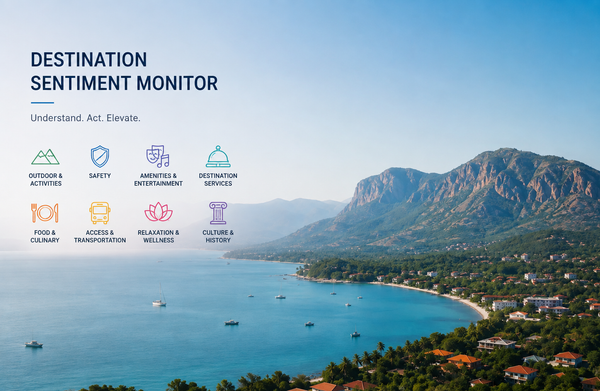
Tourism What Is a Destination Sentiment Monitor? A Plain-English Guide for Destination Managers A Destination Sentiment Monitor continuously analyses publicly available conversations from travel reviews, news articles, blogs, forums, and social media to help destinations understand how they are perceived. I
Beyond Dashboards: Why Every Destination Needs an AI Sentiment Observatory The future of destination marketing isn't just about measuring visitor numbers—it's about understanding how people feel before they book.
How to Read Air Arrival Data A practical guide for tourism professionals who want to understand what air-arrival numbers actually mean.
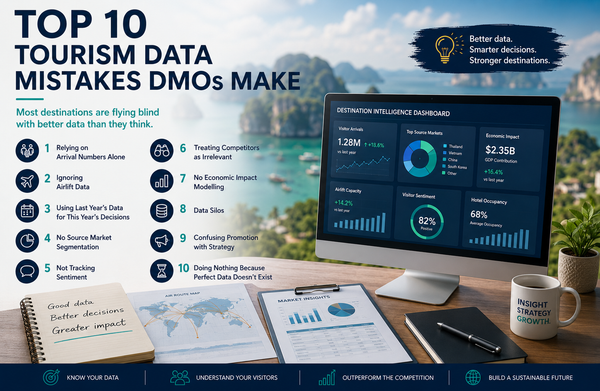
Tourism Top 10 Tourism Data Mistakes DMOs Make Tourism decisions are often based on historical reports, fragmented datasets, or assumptions rather than evidence. The result is missed opportunities, inefficient marketing, and weaker investment decisions.
Tourism Featured STATE OF THE WORLD 2026 Increasingly it is: Can travelers reach us easily, affordably and confidently—and can our tourism economy withstand the next disruption?
Tourism The Season That Isn't: Rerouting Tourism When the Seasons Shift As climate change collapses traditional tourism seasons, DMOs and small operators must rethink peak travel calendars. This guide covers heatwave-driven coolcation trends, shifting monsoons in Southeast Asia, and practical strategies for destination-level demand design and small-operator revenue dive
Economics The Machine That Cannot Stop:A Systems Analysis of US Sanctions The US sanctions regime is a self-reinforcing machine eating its own foundation. We map the feedback loops, hidden costs, and de-dollarisation trendline that will determine whether the system survives the 2030s.
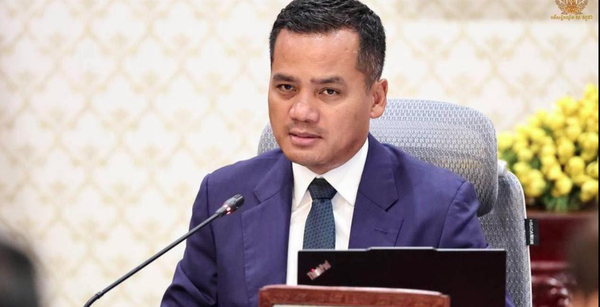
The Cambodia Scam Bill and the Expanding U.S. Sanctions Machine U.S. sanctions are expanding from wartime tools into a global financial weapon. This analysis explains the Cambodia scam bill, Sar Sokha’s legal response, OFAC, SDN designations, dollar power, due process concerns, and what it means for Cambodia.
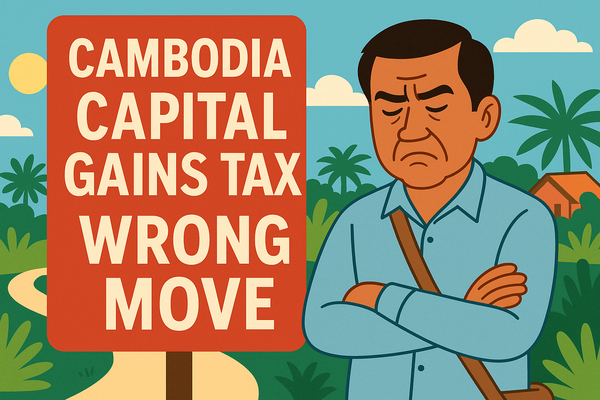
Cambodia Cambodia's Capital Gains Tax -Why Now Isn't the Right Time Cambodia’s 20 % Capital Gains Tax, slated for 2025-26, risks adding red tape, spooking foreign investors, and prolonging the real-estate slump. Explore why timing, fairness and administrative capacity make CGT the wrong tool for Cambodia’s fragile recovery.
Tourism AI Is Rewriting the Tourism Map — Will Your Destination Be on It? AI is transforming travel planning by shaping what travelers see, book, and experience. Destinations must now optimize digital content, branding, and visibility to stay relevant. Learn how to future-proof your tourism business in the era of AI-driven travel.
Tourism The Airbnb of 2040: Emergent Systems, Economic Rethinks, and the Next Travel Revolution Explore how tourism accommodation could evolve beyond Airbnb by embracing emergent complexity theory. Discover future-ready, adaptive models that prioritize sustainability, decentralization, and AI-driven matchmaking in the travel industry of 2040.
Tourism Data-Driven Tourism Marketing: A Practical SEO, AI Search and Social Media System for Small Tour Operators Unlock growth with a data-driven approach! Dive into SEO and social media strategies tailored for small businesses. Boost visibility and engage effectively.
Tourism Destination Sentiment Analysis GPT Discover how the Destination Sentiment Analysis GPT revolutionizes travel marketing by enabling small operators to analyze traveler sentiment at scale. Learn how this AI tool helps craft targeted messaging that outperforms competitors through data-driven insights.
Cambodia Cambodia's Demographic Dividend Slipping Through Our Fingers Cambodia's demographic dividend is rapidly fading due to structural economic barriers including dollarization, outmigration, and poor digital infrastructure. This analysis explores critical challenges and pragmatic solutions for harnessing Cambodia's youth population before the opportunity lost.
Tourism Featured The AI Destination Planner for DMOs, Tourism Boards and Small Operators A destination intelligence service that tracks arrivals, airline routes, traveler sentiment and search visibility for real destinations, week after week. Cambodia, Ethiopia, Uzbekistan.
Tourism Part I: Destination Management 2025 - Destination Fees & Taxes Discover how high tourism taxes and fees can harm destination competitiveness in 2025. Learn from case studies of destinations that thrived with transparency and those that struggled due to overpricing. Stay ahead with strategies for balancing sustainability, affordability, and traveler satisfaction
Cambodia Cambodia's Digital Transformation: A Bold Vision for an AI-Powered Future Discover Cambodia's bold leap into AI with a cutting-edge data center vision. Learn how this transformative project drives technological innovation, lures foreign investment, and sparks sustainable growth—fueling the kingdom’s future in travel and beyond.